Table of Contents
IVF Success: Your Journey Beyond the Positive Test
Congratulations on your IVF success! A positive pregnancy test after IVF is a dream come true for many – but it’s only the beginning of a new, exciting chapter. Here at Metro IVF, we’re committed to walking with you every step of the way – from your first scan to welcoming your baby home.
What happens after your positive pregnancy test?
When you see that positive test result, it’s natural to feel a mix of joy, relief, and even anxiety. IVF pregnancies require a little more monitoring at the start to ensure everything progresses smoothly.
- Blood Tests (hCG Testing)
About 10-14 days after your embryo transfer, we’ll schedule a blood test to check your hCG hormone levels. This confirms that your pregnancy is progressing well. Unlike home tests, clinic blood tests are highly accurate. - Early Ultrasounds
Around week 6, you’ll have your first ultrasound. This checks:
- Blood Tests (hCG Testing)
- If the pregnancy is in the right place (ruling out ectopic pregnancy)
- The baby’s heartbeat
- Whether you’re having twins or multiples
- Continued Medications
You may need to continue some hormone medications (like progesterone) to support your pregnancy during the first trimester. Don’t worry – our team will guide you on when and how to stop them safely.
- Continued Medications
Looking after your emotions
After the intense journey of IVF, it’s normal to feel:
- Excited and relieved
- Worried about your baby’s health
- Anxious about every test and scan
Tip: Talk openly with your partner, loved ones, or a counsellor if you’re feeling overwhelmed. Simple self-care like meditation, gentle walks (if cleared by your doctor), and journaling can also help keep your mind calm.
Transitioning to your obstetrician (OB) or gynaecologist (GYN)
Once your pregnancy reaches 7-10 weeks, you’ll graduate from the fertility clinic to regular pregnancy care with your obstetrician (OB/GYN). This is a milestone worth celebrating!
Seeing an obstetrician or gynaecologist during pregnancy is important to monitor your baby’s growth, check your health, and manage any risks early to ensure a safe pregnancy and delivery. They also provide guidance on nutrition, exercise, and emotional well-being. Overall, they help keep both you and your baby healthy throughout your pregnancy journey.
- Metro IVF Clinic: Frequent weekly checks
- OB/GYN: Visits every 4 weeks initially, then more frequent as you approach delivery
We know the change in appointment frequency can feel strange after such close monitoring, but it’s a great sign that your pregnancy is progressing well.
Is IVF pregnancy different from natural pregnancy?
For the most part, IVF pregnancies are similar to natural pregnancies. However:
- IVF slightly increases the chance of twins or triplets.
- Your OB/GYN will review your fertility treatment history to provide the best care.
Remember: IVF itself does not make your pregnancy “high risk” unless you have other health conditions.
Staying healthy during pregnancy
Simple ways to keep yourself and your baby healthy during pregnancy.
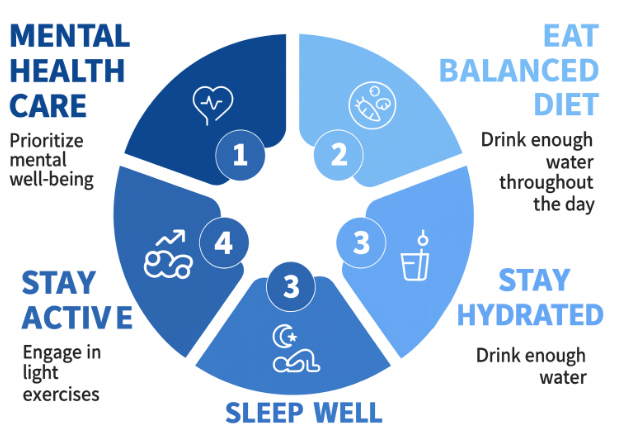
Simple ways to keep yourself and your baby healthy during pregnancy.
Life after baby arrives
The postpartum period can be joyful yet challenging, especially after the demanding IVF journey.
Recovering Physically
- Do pelvic floor exercises (Kegels) to strengthen muscles after birth
- Continue eating well, especially if breastfeeding
- Get plenty of rest (accept help from family and friends!)
- Gentle exercises can help your body recover faster
Looking After Your Emotions
Even after IVF success, new mothers can experience baby blues or postpartum depression. It’s okay to:
- Feel tired, overwhelmed, or emotional
- Seek professional help if these feelings persist
You’ve worked so hard to get here – your mental health deserves the same care as your physical health.
Breastfeeding after IVF
Breastfeeding can be challenging for any new mum. Remember:
- Stay relaxed – stress can reduce milk supply
- Seek help from lactation consultants if needed
- Don’t feel guilty if you need to use formula – your baby’s health and your well-being are most important
Planning your future family
Thinking of having another baby? IVF success rates remain promising, but:
- Age matters: Success rates decline after 35
- Recommended waiting time: Wait at least 9-12 months after delivery before your next embryo transfer, to allow your body to recover fully
Speak with our fertility specialists to plan the best timing for your growing family.
What about your frozen embryos?
After IVF, you might have remaining frozen embryos. You can either:
- Continue storing them for future use (annual storage fees apply)
- Discard them if you have completed your family
| Option | Purpose | Pros | Cons |
|---|---|---|---|
| Keep frozen |
Future family planning |
Keeps options open |
Ongoing storage costs |
| Discard | End storage | Closure | Emotionally difficult |
Choosing what to do can be emotional and complex. Our team will be here to guide you through this important decision.
Your Journey Continues With Us
At Metro IVF, we believe your journey doesn’t end with a positive pregnancy test. Whether you need:
- Early pregnancy monitoring
- Emotional support
- Advice on frozen embryos
- Guidance for future family planning
We’re here for you, every step of the way. Contact us today to speak with our caring team and take the next confident step into parenthood.

