
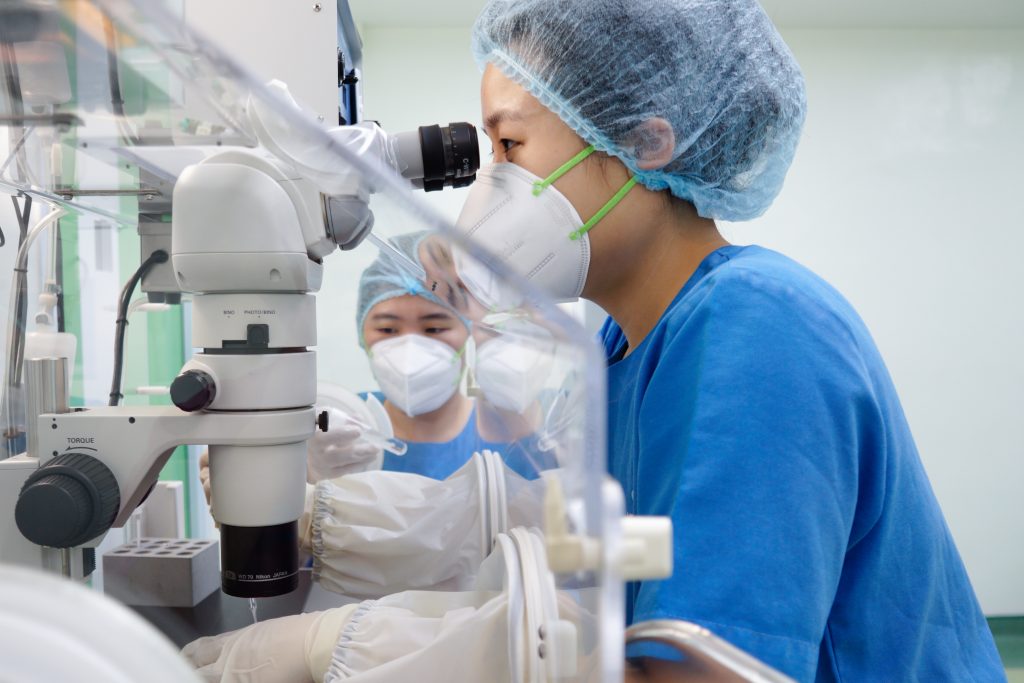
Time-Lapse Embryo Incubation
Time-lapse embryo incubation is a significant advancement in modern IVF and fertility treatment. It enhances how embryos are monitored during their early stages of development, providing deeper insights while maintaining optimal conditions for growth.
At Metro IVF, this technology is available to support improved embryo care and selection. Unlike conventional incubation methods, which rely on periodic observation, time-lapse incubation enables continuous monitoring without disrupting the embryo’s environment.
How Does Time-Lapse Embryo Incubation Works?
Traditional embryo assessment requires embryologists to remove embryos from the incubator at specific intervals to examine them under a microscope. While effective, this approach only provides limited “snapshot” observations and may expose embryos to environmental changes.
Time-lapse incubation utilises advanced incubators equipped with integrated microscopes and cameras. These systems automatically capture thousands of images throughout the embryo’s development, creating a continuous visual record from the single-cell stage to the blastocyst stage.
This uninterrupted monitoring allows embryologists to observe every developmental milestone in detail—without removing the embryo from its stable environment. As a result, both embryo safety and assessment accuracy are enhanced.
Benefits of Time-Lapse Embryo Incubation
1. Stable and Protective Environment
Embryos remain undisturbed within the incubator, minimising exposure to fluctuations in temperature, oxygen, and light. This supports healthier and more consistent development.2. Continuous Monitoring
Every stage of embryo development is recorded, providing a complete and detailed timeline rather than isolated observations.3. Improved Embryo Selection
Time-lapse imaging enables embryologists to identify subtle developmental patterns, such as irregular cell division or delayed growth, which may not be visible through conventional methods. This leads to more precise embryo selection.4. AI-Assisted Analysis
Advanced systems can integrate artificial intelligence (AI) to analyse developmental data and rank embryos more objectively, supporting clinical decision-making and reducing variability.5. Early Detection of Abnormalities
Continuous observation allows potential issues to be identified earlier, helping clinicians make more informed decisions during the IVF process.6. Enhanced Patient Experience
Some patients may receive a time-lapse video of their embryo’s early development, offering a meaningful and reassuring connection to their fertility journey.

